
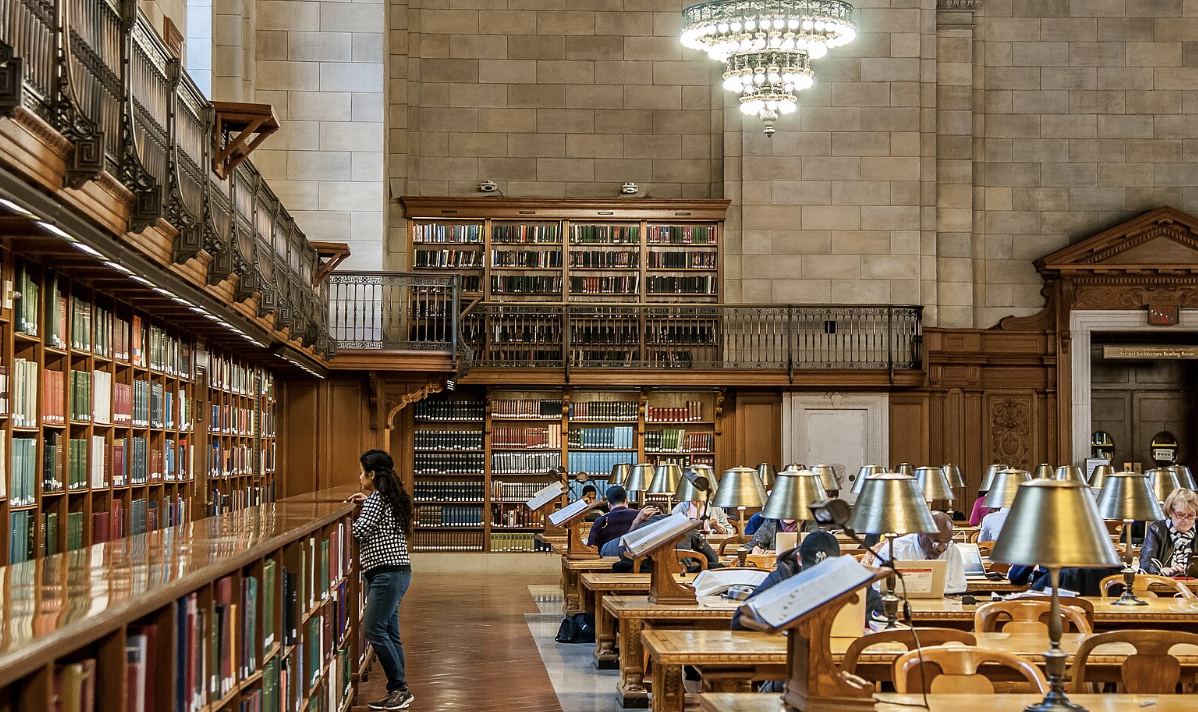
The library card used to be a ticket to everything. Walk through those doors with nothing but curiosity and you could access the accumulated knowledge of civilization. No credit check. No subscription fee. Just you and the books and the quiet promise that information belongs to everyone.
That promise is breaking down, and it raises questions about the future of public access to knowledge.
Since 2009, Amazon has published over 10,000 e-books and tens of thousands of audiobooks under its own imprints. For years, not a single one could be borrowed from libraries—then in May 2021, Amazon Publishing partnered with the Digital Public Library of America to make these titles available, but only through the DPLA’s SimplyE app, not through mainstream platforms like OverDrive that most library patrons use. When major authors switch to Amazon Publishing, their latest books become harder to access through standard library systems.Popular titles exist in an entirely separate ecosystem. The list keeps growing.
Meanwhile, a separate development has opened new doors. In September 2024, Amazon changed its Kindle Direct Publishing (KDP) Select rules. For the first time, millions of self-published authors enrolled in Kindle Unlimited can now distribute their ebooks to libraries through standard platforms like OverDrive and Hoopla without breaking their Amazon exclusivity. This is significant progress for indie authors and library access.
But for Amazon Publishing titles and Audible Originals, access remains limited. Amazon has made partial accommodations, but requires libraries to use specific platforms rather than the systems patrons already know. They’ll sell physical books sometimes if you’re lucky. But when a pandemic can shut down library buildings for months, when rural communities depend on digital access, when a single parent working two jobs can’t make it to the library before closing, physical copies are not enough.
Amazon’s position was that current lending models don’t “fairly balance the interests of authors and library patrons.” The company announced negotiations with the DPLA in 2020 and reached an agreement in 2021, according to The Washington Post. Yet this still left libraries in a difficult position as more content moved behind digital walls, some content accessible through DPLA, some through standard platforms via KDP, and some not accessible at all.
Libraries already pay publishers more than individual consumers do for e-books, often $40 to $60 per title and sometimes over $100 for popular audiobooks. And unlike physical books that can circulate forever, digital copies often come with built-in expiration dates. Libraries have adapted to these terms but Amazon has offered only fragmented solutions.
The challenge stems from Amazon’s position across multiple parts of the book industry. The company operates the largest online bookstore, manufactures the dominant e-reader, and increasingly publishes the content itself. This vertical integration means Amazon faces different pressures than traditional publishers who depend more heavily on maintaining relationships with various distribution channels.
There may be legitimate business reasons for Amazon’s approach. Digital lending does work differently than physical lending. When someone borrows a physical book, it’s unavailable to others until returned. Digital copies can theoretically be shared infinitely without degradation. Publishers across the industry have struggled with how to price and structure digital lending in ways that sustain authors, while still serving library patrons.
One of the first public libraries in this country was founded on the understanding that knowledge should not be reserved for those who could afford personal collections. The public library remains one of the few institutions where what you can access has nothing to do with your income.
Amazon is diverting from this ideal by creating a separate ecosystem for much of its published content. Every book published under its imprints becomes a book the library cannot lend. In 2020, six of Amazon’s top ten e-books were published by Amazon itself. The company markets its own titles heavily to Kindle users, creating what one analyst calls a distinct literary universe from the public one accessible through libraries.
The Authors Guild says writers generally want their books in libraries. Some authors whose work is published exclusively through Amazon’s audiobook division don’t even know their content is unavailable to library patrons. When authors make the switch to Amazon, it’s unclear whether anyone discusses what this will mean for library access.
The question is not solely about pricing but instead, it is about what model of information access we want for the future: where knowledge flows through public institutions available to all, or one where access increasingly depends on individual subscriptions and purchasing power.
Maryland’s House of Delegates voted unanimously for a bill requiring publishers to offer reasonable terms to libraries. New York and Rhode Island are considering similar legislation. These proposals suggest growing concern about the gap between digital publishing business models and the traditional mission of public libraries.
The tension is real. Publishers and authors deserve fair compensation. Amazon has built remarkable infrastructure that delivers books quickly and conveniently. Digital lending does pose different challenges than physical lending. Amazon has begun working with libraries, with the 2021 DPLA deal for Amazon Publishing titles and the 2024 KDP Select policy change proving collaboration is possible. The question is whether Amazon will go further: integrating with mainstream library platforms, making Audible Originals available, ensuring seamless rather than fragmented access.
When one company controls the store, the reading device, and increasingly the content itself, market forces alone may not resolve these tensions. As more reading moves digital and more authors publish with Amazon, the implications for public access grow starker.
The library card used to mean that your curiosity mattered more than your credit score. That learning didn’t stop at the edge of your wallet. That knowledge belonged to everyone.
Recent changes show we haven’t given up on that promise, but we’ve accepted a fragmented version of it. Self-published authors can now reach library patrons seamlessly. Amazon Publishing titles exist in libraries through a separate app. Audible Originals remain walled off.
Either we push for the seamless, universal access that libraries have always represented, or we accept a patchwork where access depends on which platform you’re willing to use. There’s no middle ground. The question is which future we’re willing to fight for.


