

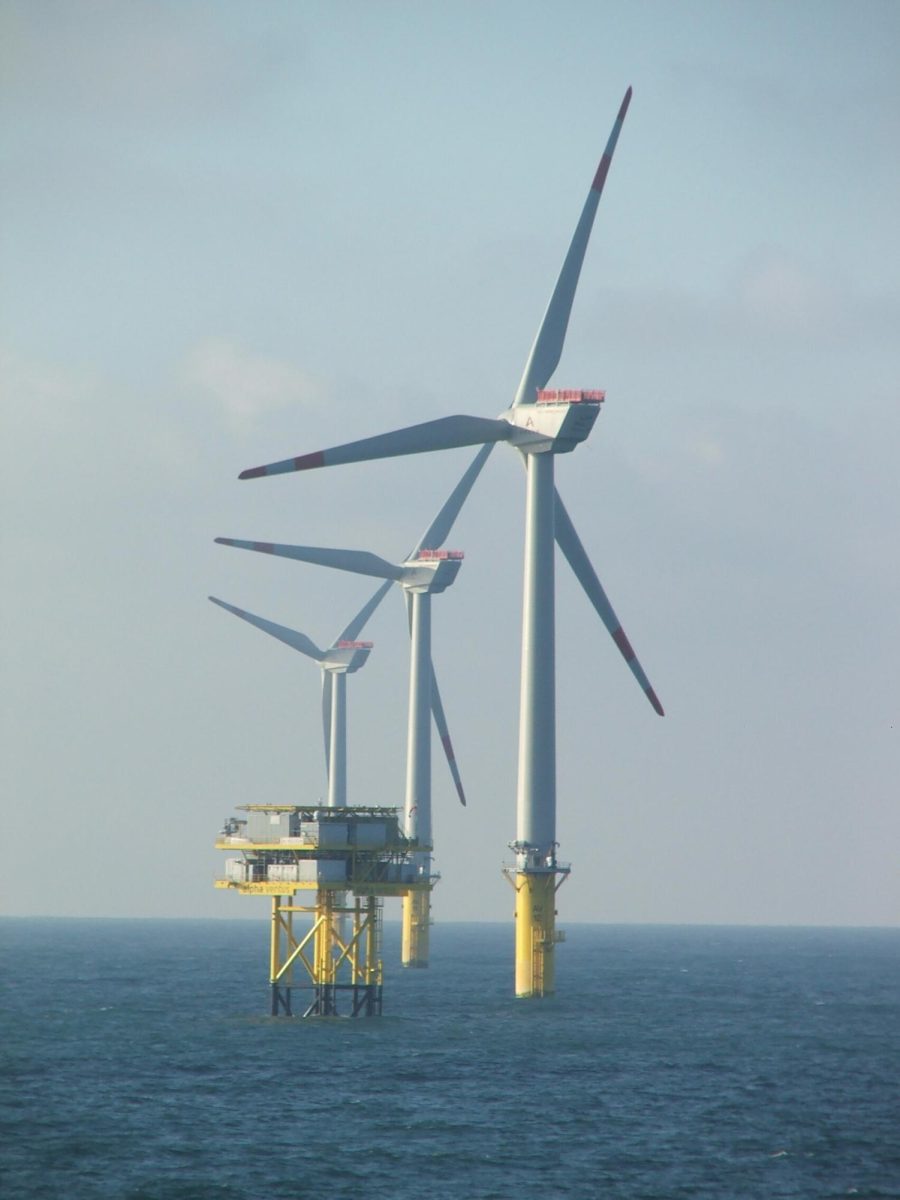
The U.S. Department of the Interior paused all offshore wind leasing in late December, citing national security concerns detailed in classified reports. The decision affects more than $25 billion in planned East Coast investments and thousands of manufacturing and construction jobs that were finally materializing after years of regulatory review, according to Turnforward.
The justification raises fundamental questions about policy transparency and interagency coordination. While the Department of the Interior cites undisclosed security threats, the Department of Energy maintains extensive documentation of offshore wind’s economic benefits on its own website. The energy department details how wind projects create jobs, reduce energy costs and strengthen domestic manufacturing capacity. This apparent contradiction between agencies suggests either serious miscommunication or selective use of available evidence.
The economic impact of this pause extends across multiple sectors. Offshore wind projects were generating demand for port development, vessel construction and turbine manufacturing. Coastal communities from Massachusetts to North Carolina had begun infrastructure investments in anticipation of industry growth, according to News from the States. Companies had committed capital to supply chain development. Workers had entered training programs for positions that may no longer materialize.
The classified nature of the DOI’s security assessment prevents meaningful public evaluation. Stakeholders cannot examine the evidence, propose mitigation strategies or suggest alternative approaches. The administration is asking Americans to accept significant economic disruption based on assertions that cannot be verified or challenged.
This approach creates serious problems for long-term investment. Industries require regulatory predictability to commit capital to multiyear projects. When, after years of review and planning, policy frameworks shift based on undisclosed reasoning, private investment becomes increasingly difficult to secure. The uncertainty extends beyond current projects to future opportunities that investors may now view as politically vulnerable.
International competitors face no similar constraints. China installed more offshore wind capacity in 2024 than the United States has built cumulatively, according to Global Energy Monitor. European nations continue expanding their offshore capacity despite comparable coastal security considerations. If vulnerabilities exist that justify halting American projects, other nations appear to have addressed them through means that remain unavailable for public discussion in the United States.
The timing compounds concerns about the decision’s basis. These projects completed extensive environmental reviews, stakeholder consultations and regulatory approval processes over multiple years. The sudden identification of disqualifying security issues after substantial resources were committed suggests gaps in earlier reviews or the application of new criteria that stakeholders had no opportunity to address during development.
The Department of Energy’s own analysis contradicts the implicit cost-benefit calculation underlying the pause. The economic benefits are quantified and publicly available. The security costs remain classified and unverifiable.
This disparity between departments reveals problematic policy development. Either the security concerns are sufficiently serious to override documented economic benefits, in which case some explanation should be possible, or the concerns do not justify the economic sacrifice, in which case the pause represents misaligned priorities rather than security necessity.
Affected communities and businesses deserve more substantive justification. Port authorities that invested in offshore wind infrastructure now face underused facilities. Manufacturing companies that developed specialized capabilities confront uncertain demand. Regional economic development strategies built around offshore wind must be reconsidered without understanding what changed or why.
The precedent established extends beyond energy policy. If classified assessments can pause major industries without public justification, investment across sectors becomes subject to undisclosed criteria that stakeholders cannot anticipate or address. This uncertainty increases the risk premium, or the extra rate of return investors look for on their investment, for American projects relative to international alternatives.
The administration should reconcile the apparent contradiction between the Department of Energy’s economic analysis and the Department of the Interior’s security conclusions. If the security concerns have merit, a declassified summary would allow stakeholders to develop responses. If mitigation measures exist, publishing them would permit projects to adapt. If the threats are manageable through enhanced oversight, establishing that framework would allow development to proceed with appropriate safeguards.
The legal weaknesses of the DOI’s offshore wind pause were highlighted further this week as federal courts rejected the administration’s arguments. On Jan. 16, U.S. District Court Judge Jamar Walker ruled in favor of Dominion Energy, allowing construction to resume on its $11.2 billion Coastal Virginia Offshore Wind project. Walker found the stop-work order was “too broad to address Dominion’s specific project” and noted the government’s cited risks “pertained to wind farm operations and not construction,” according to Reuters.
The ruling was the third legal setback this week for the Trump administration’s offshore wind agenda. Earlier decisions allowed Danish developer Orsted and Norwegian company Equinor to restart their New York offshore wind projects, according to Reuters. The pattern reveals a pressing issue: When forced to justify the pause to federal judges, the government cannot present project-specific harms that warrant halting construction.
According to Reuters, Dominion had already spent nearly $9 billion on its project, which is expected to power 600,000 homes. The company said it will “focus on safely restarting work to ensure CVOW begins delivery of critical energy in just weeks” while continuing to seek resolution with the federal government. These court victories demonstrate that classified assertions that are unsubstantiated cannot survive legal scrutiny.


