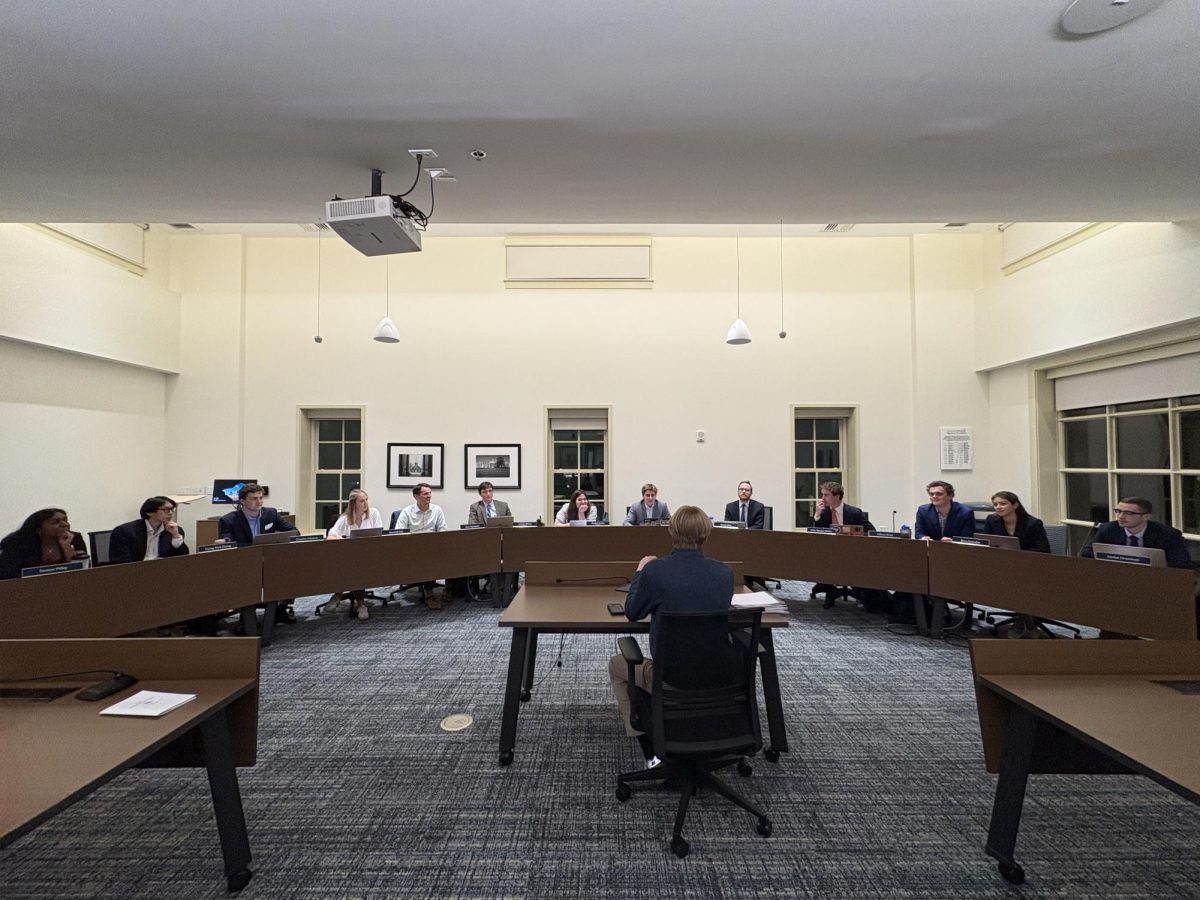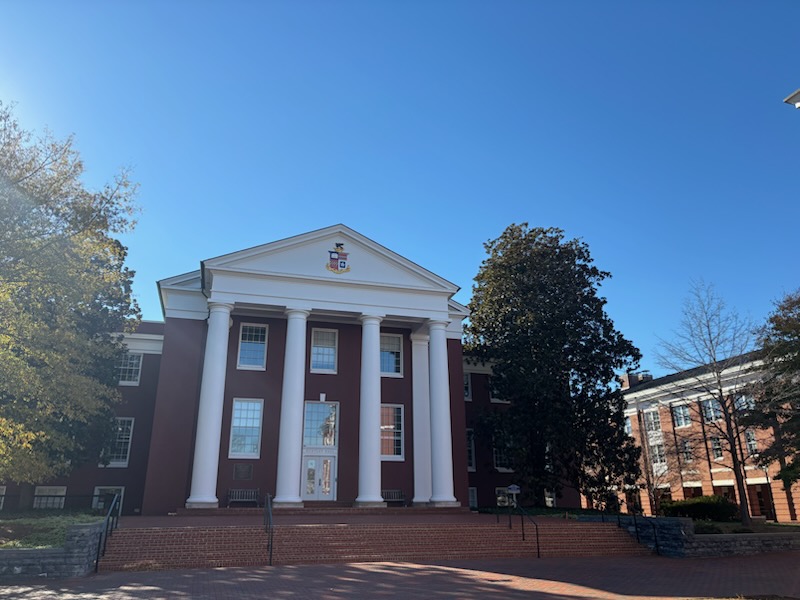



The Executive Committee approved an amendment to the White Book that incentivizes the person who accuses a student of an honor violation to testify in their honor hearing.
According to the amendment, a lack of testimony from the accuser will be treated as evidence in favor of finding that the accused student did not violate the community’s trust.
The amendment was proposed by EC Representative Patrick Burr, ’26L, and approved on Nov. 10.
Although Burr said reporting parties testify in the majority of cases, the rare refusals cause issues that Burr said the new amendment addresses.
Before the amendment, if the accuser did not show up to testify, the case typically resulted in an automatic “not guilty” finding, as none of the statements made by the accuser could be used as evidence against the accused, said EC President Meaghan Endres, ’26.
Encouraging the reporting party to testify in front of the Executive Committee ensures that the EC has the evidence that they need to make an informed decision, Burr said. The amendment prevents an accused student from being found guilty without the opportunity to know their accuser. Endres said the amendment does not fundamentally alter the honor process.
Instead, it codifies long-standing practice and provides clear guidance for the EC to reference when advising accusers, she said. It also gives the accuser insight into the likely outcome if they choose not to testify.
“In my eyes, then this is not a big enough breach of the community’s trust if you’re not willing to stand by your word in front of the EC,” Endres said. “It is generally a waste of everyone’s time if the accuser is not willing to testify, as it will most likely end in an automatic non-guilty decision.”
In order for an amendment to the White Book to be made, it requires a two-thirds vote from the Executive Committee in two consecutive sessions.
Burr proposed the amendment at the EC’s Nov. 3 business meeting. The committee voted unanimously in favor of it.
The committee voted again on the following Monday to pass the amendment.